
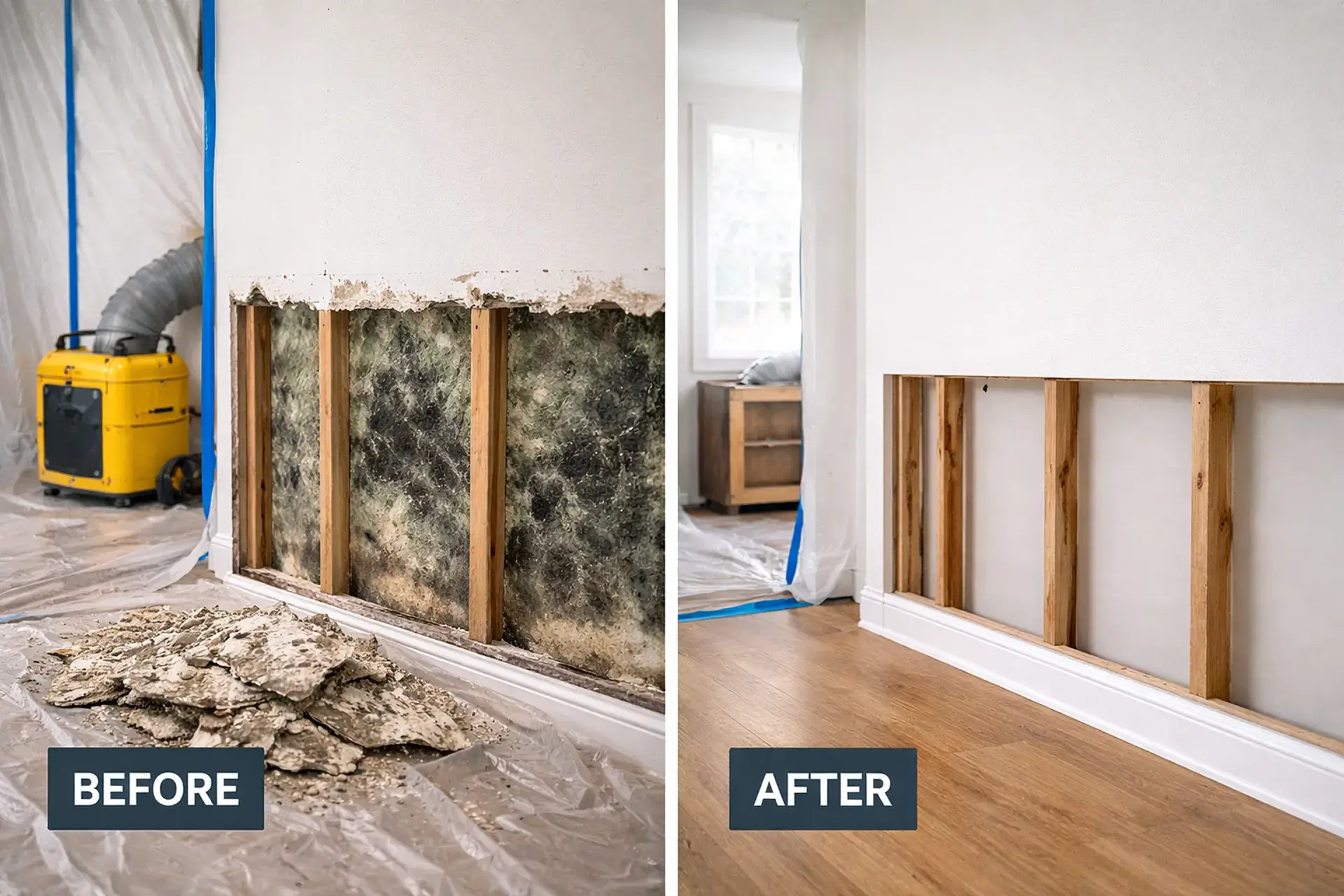
Mold remediation can be an unsettling experience for homeowners. The discovery of mold often raises immediate concerns about health, safety, and disruption to daily life. One of the most common and pressing questions people ask is whether they can remain in their home while the mold problem is being addressed. The answer is not always simple, because it depends on a combination of factors including the extent of the mold growth, the areas affected, the methods used for remediation, and the health of the occupants. Understanding how mold remediation works and what conditions influence the decision to stay or leave can help homeowners make informed choices during a stressful situation.
Understanding What Mold Remediation Involves
Mold remediation is more than just cleaning visible mold from surfaces. It is a structured process designed to identify the source of moisture, contain the affected areas, remove contaminated materials, and restore indoor air quality. Professionals typically begin by assessing how widespread the mold growth is and determining whether it is limited to a small, contained area or spread throughout multiple rooms or structural components. This assessment plays a major role in deciding whether staying in the home is feasible.
During remediation, containment barriers are often installed to prevent mold spores from spreading to unaffected areas. These barriers may include plastic sheeting, sealed doorways, and negative air pressure systems that pull contaminated air out of the work zone. Air scrubbers with high-efficiency filtration are commonly used to capture airborne spores. Depending on the severity of the problem, technicians may need to remove drywall, insulation, carpeting, or other porous materials that cannot be effectively cleaned.
The level of disruption varies widely. In minor cases, remediation may be limited to a single room or small section of the home, with work completed in a day or two. In more extensive cases, large portions of the home may be inaccessible for extended periods, and the noise, dust, and equipment involved can significantly affect daily routines. Understanding the scope of the work helps set expectations about whether remaining in the home is practical or advisable.
Health Considerations for Occupants During Remediation
Health is one of the most important factors when deciding whether to stay in your home during mold remediation. Mold exposure can cause a range of symptoms, including respiratory irritation, headaches, fatigue, and allergic reactions. Individuals with asthma, compromised immune systems, chronic respiratory conditions, or mold sensitivities are at higher risk of experiencing adverse effects. For these occupants, staying in the home during remediation may not be safe, even if the affected area is relatively small.
During the remediation process, mold spores can become airborne despite containment measures. While professional protocols are designed to minimize this risk, no system is completely foolproof. Disturbing mold-infested materials can temporarily increase spore levels in the air, which may aggravate symptoms for sensitive individuals. Even people without known sensitivities may notice temporary discomfort such as coughing or nasal irritation.
Children and elderly residents may also be more vulnerable to airborne contaminants. In households with these occupants, remediation professionals often recommend temporary relocation as a precaution. This recommendation is especially common when remediation involves large areas, HVAC systems, or spaces that cannot be fully isolated from living areas. Weighing the potential health risks against the inconvenience of relocating is a critical part of the decision-making process.
Scope and Location of Mold Growth in the Home
The size and location of the mold problem strongly influence whether you can remain in your home during remediation. Mold confined to a bathroom, laundry room, or small basement area may be isolated effectively, allowing occupants to continue using other parts of the house safely. In these situations, clear communication with the remediation team about which areas are off-limits and how long the work will take is essential.
When mold is present in central living spaces such as kitchens, bedrooms, or living rooms, staying in the home becomes more challenging. These areas are used frequently, and restricting access can disrupt normal routines. Mold in multiple rooms or in structural components like wall cavities and ceilings often requires more invasive work, increasing the likelihood that occupants will need to leave temporarily.
Mold affecting heating and cooling systems presents another complication. If spores have spread through ductwork, remediation may involve shutting down the HVAC system to prevent further contamination. Living without heating or air conditioning, depending on the season, can make staying in the home uncomfortable or impractical. In some cases, the HVAC system itself must be cleaned or repaired, which may require access throughout the home and further increase disruption.
The duration of the remediation also matters. Short-term projects may be manageable with temporary adjustments, such as working from home in a different room or staying with friends during the day. Long-term projects that span several days or weeks often make relocation the more reasonable option, especially if essential rooms like kitchens or bathrooms are unavailable.
Safety Measures and Practical Living Conditions During Remediation
Even when it is technically safe to stay in the home, practical considerations play a major role in the decision. Remediation equipment can be loud and run continuously, including air scrubbers and dehumidifiers. This noise can interfere with sleep, work, and daily activities. Plastic containment barriers may block access to certain rooms, and workers may need to enter and exit the home frequently, reducing privacy.
Dust and debris are also common during remediation, particularly when materials are removed. Although professionals take steps to control dust, some spread is inevitable. Homeowners may need to clean more frequently or adjust their routines to avoid work areas. In some cases, odors from cleaning agents or antimicrobial treatments may linger temporarily, which can be unpleasant for occupants.
Clear communication with the remediation company is essential for managing these challenges. Homeowners should ask about daily schedules, expected noise levels, and which utilities may be affected. Understanding these details helps determine whether staying in the home is realistic or whether temporary relocation would reduce stress and disruption.
Insurance and housing arrangements may also influence the decision. Some insurance policies cover temporary housing during mold remediation when the home is deemed uninhabitable. Knowing what support is available can make it easier to choose relocation when recommended. Even without insurance coverage, some homeowners find that staying elsewhere for a short period provides peace of mind and allows the remediation team to work more efficiently.