
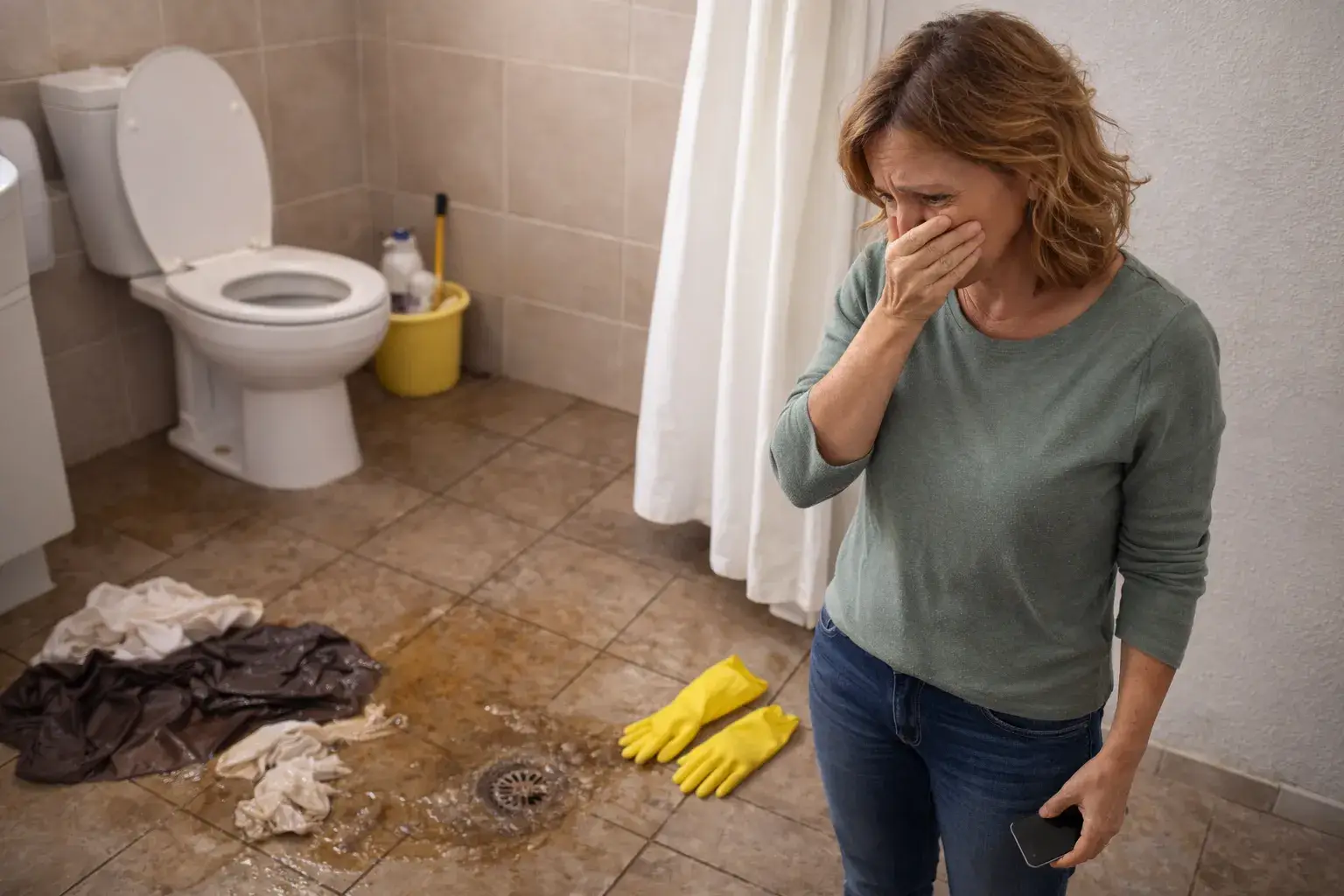
Sewage backups are one of the most stressful problems a homeowner can face. They smell terrible, they spread quickly, and they create an immediate health concern for everyone in the building. In San Diego, where many homes have older plumbing, hillside sewers, or large trees with invasive roots, a blocked or broken line can send wastewater straight back into bathrooms, laundry rooms, and even living spaces. In those first tense minutes, it is tempting to start grabbing mops, towels, and cleaning products, but not every instinctive reaction is safe or helpful. Some common responses can actually make the damage worse or put your health at risk.
Knowing what you can safely do while you wait for sewage cleanup San Diego professionals, and what you absolutely should not do, makes a huge difference. It can limit how far contamination spreads, protect your family from exposure, and help restoration and biohazard cleanup San Diego crews work more efficiently when they arrive. This article focuses specifically on those critical first steps during a sewage event and offers clear guidance so you are not guessing in the middle of an emergency.
Understanding Sewage Backups in San Diego Homes
A sewage backup happens when wastewater that is supposed to flow away from your home reverses direction and comes back inside. In San Diego, this can be caused by several factors, often working together. Tree roots can invade older clay or cast-iron sewer lines, creating a partial blockage that eventually becomes a full obstruction. Heavy rain can overwhelm city systems, especially in low-lying neighborhoods, causing pressure to build up in connected residential lines. Grease buildup, wipes, and other debris flushed down toilets and drains can also narrow pipes over time until water has nowhere to go but back up into your home.
The first sign of trouble can be subtle, such as gurgling sounds in drains, slow flushing toilets, or a faint sewage odor near floor drains. When the problem becomes severe, you may suddenly see dirty water rising in a shower, tub, or toilet on the lowest level of the home. Sometimes it comes up through a floor drain in a laundry room or garage. This water is not just dirty; it is considered highly contaminated because it can carry bacteria, viruses, and other harmful microorganisms. That is why sewage backup cleanup is treated as a biohazard situation rather than an ordinary household mess.
It is also important to understand that the contamination does not stop at what you can see. Sewage water can spread under flooring, wick up into drywall, soak into baseboards and cabinetry, and saturate porous materials like carpet and padding. Even if the visible water recedes, the invisible contamination remains in those materials. This is one of the main reasons professional biohazard cleanup San Diego services rely on specialized equipment and strict protocols. They are not only cleaning what is visible on the surface; they are removing contaminated materials, disinfecting structural elements, and performing contaminated water removal in a way that restores the space to a safe condition.
San Diego’s mild climate also matters. Warm temperatures can accelerate bacterial growth and increase odors, making a contaminated area more unpleasant and potentially more hazardous in a short period of time. Humidity from the backup can raise the risk of mold if the moisture is not properly managed. All of these factors make it essential to treat a sewage backup as an urgent situation where your job is to stabilize and protect until sewage cleanup San Diego technicians can take over.
Immediate Safety Steps You Can Take
The first priority in any sewage backup is protecting the people and pets in your home. As soon as you see sewage water coming into the house, you should move everyone away from the affected area. Children and pets are especially vulnerable because they are more likely to touch contaminated surfaces and then touch their faces or put their hands in their mouths. Keeping them out of the area entirely is one of the most effective ways to reduce risk. If possible, close doors to the affected rooms so curious hands and paws cannot wander in.
If the backup is significant or still actively flowing, it is wise to stop using plumbing fixtures throughout the home. That means pausing showers, dishwashers, washing machines, and flushing toilets until the situation is assessed. Continuing to run water can add volume to an already overloaded line and worsen the backup. If you can safely access the main water shutoff and you suspect the issue may be inside your property’s system rather than a city main, turning off the water supply can be a prudent move, but only if doing so does not bring you into contact with contaminated water.
When you enter or approach the affected area, protect yourself. Wear sturdy shoes or boots that you can thoroughly clean or discard later. If you have disposable gloves, use them when touching any surface near the contaminated zone. A basic face covering or mask can help minimize inhalation of aerosolized particles and reduce your exposure to odor and potential irritants. You do not need to perform full decontamination; the goal is simple: avoid direct contact as much as reasonably possible until professionals trained in sewage backup cleanup arrive.
Ventilation can help in certain situations, but it must be done thoughtfully. If it is safe and the area is secure, opening windows or doors to the outside can allow fresh air to dilute odors. However, you should avoid using central air conditioning or forced-air heating systems that might pull contaminated air through ducts and redistribute it throughout the home. Mechanical fans pointed directly at the contaminated water may aerosolize more particles, which is counterproductive. Gentle natural airflow is preferable to strong air currents driven by portable fans.
Finally, take a moment to contact sewage cleanup San Diego specialists as soon as the immediate area is stable. Early calls help you get on the schedule faster, which is important, because time matters in biohazard situations. While you wait, your role is not to fix the damage, but to contain the situation, stay safe, and gather information that will help both the cleanup crew and your insurance company later.
What You Should Never Do Around Sewage Contamination
In the urgency of a sewage backup, it is very easy to make mistakes that feel helpful but actually create more risk. One of the most important things to avoid is direct cleanup of the contaminated water with normal household tools. Soaking up sewage with bath towels, mops, or regular sponges spreads contamination across more surfaces and materials. Once those items are saturated, they become hazardous waste themselves. Squeezing them out in a sink or tub can reintroduce sewage into other parts of your plumbing and create additional surfaces that require professional attention.
Another common mistake is using common household cleaning products to try to disinfect the area before biohazard cleanup San Diego technicians arrive. Spraying bleach or other strong chemicals directly on contaminated water can create fumes that irritate eyes and lungs, especially in an enclosed space. More importantly, those products cannot properly decontaminate porous materials or deep structural elements. You may bleach the surface of a floor or wall and make it look better while leaving harmful material underneath. This can complicate professional assessment because it temporarily hides visible staining without addressing the underlying problem.
It is equally important not to walk through contaminated areas more than absolutely necessary. Walking through sewage water and then tracking it into other parts of the home spreads contamination into clean rooms. You might not see the residue, but it can transfer to carpets, rugs, and other flooring. Once it dries, it may still contain contaminants that are difficult to fully remove without professional tools. For the same reason, you should not allow pets to wander into the affected area. Their fur and paws can spread contaminants, and they may attempt to lick themselves clean afterward, which is dangerous.
Do not attempt to remove toilets, open clean-out plugs, or dismantle plumbing fixtures unless you are qualified and have appropriate protective equipment. Loosening the wrong connection could release a greater volume of sewage all at once. Even if you manage to release pressure, you will almost certainly expose yourself to a higher level of contamination than necessary. Likewise, inserting tools or coat hangers into drains in an attempt to clear the blockage can damage pipes and send sewage in unexpected directions.
Using your central HVAC system without considering the location of the contamination is another action to avoid. If sewage water is present near floor vents, returns, or ductwork, turning on the system can draw contaminated air into the ducts and spread it throughout the house. Once contamination reaches a duct system, sewage backup cleanup becomes more complex and may require specialized duct cleaning or duct replacement. It is safer to keep the system off in questionable situations until a professional has inspected the area.
Even well-intentioned attempts to stay in the home and continue normal life in adjacent rooms can be a problem if contamination is extensive or odors are overwhelming. There are times when the safest choice is to temporarily relocate until contaminated water removal and decontamination are well underway. A reputable restoration company can help you understand when that step is recommended based on the extent and nature of the backup.
Preparing For Professional Sewage Cleanup and Future Prevention
While you wait for sewage cleanup San Diego professionals to arrive, there are a few productive and safe ways to prepare. One of the most helpful is documenting the event without putting yourself at risk. If you can do so from a safe distance, take photos or video of the affected areas, including where the water is entering, how far it has spread, and any visible damage to furniture, flooring, or belongings. These images can be extremely useful for insurance claims and for helping the biohazard cleanup team understand the timeline and severity of the backup.
You can also gather information about when you first noticed the problem, what plumbing fixtures were in use at the time, and any previous issues you have had with slow drains or recurring clogs. This context can help both the plumber and the cleanup crew diagnose the root cause more quickly. If you know where your property’s clean-out is located and it is safely accessible outside the home, simply pointing it out to arriving technicians can save time. However, you should avoid opening or manipulating it yourself for the reasons already discussed.
Once the professionals are on-site, they will take over contaminated water removal, disinfection, and material removal based on established safety standards. In many cases, this means extracting liquid sewage, removing saturated carpet and padding, cutting out affected sections of drywall, and disinfecting structural materials that can be saved. Industrial fans, air scrubbers, and dehumidifiers may be set up to control moisture and help prevent additional problems such as mold growth. The process can look disruptive, but every step is designed to restore the home to a sanitary condition and protect the long-term health of occupants.
After the immediate crisis has passed, it is worthwhile to consider prevention strategies. Your plumber or restoration contractor may suggest a sewer line inspection using a camera to identify root intrusion, pipe damage, or low points where debris collects. In some cases, repairs or pipe replacement will be recommended to reduce the risk of future backups. For homes that experience frequent blockages, the installation of a backwater valve may be discussed. This device is installed in the sewer line and is designed to close automatically if water starts to reverse direction from the main line, helping protect the interior of the home.
Daily habits make a difference as well. Avoid flushing wipes, even those labeled as flushable, along with paper towels, feminine hygiene products, or other items that do not break down easily. Minimize pouring fats, oils, and grease down the kitchen sink, since they cool, solidify, and cling to pipe walls, narrowing the flow path over time. Educating every member of the household about what can and cannot go down the drains is a simple but powerful step in reducing the likelihood of another sewage backup cleanup emergency.
Finally, treat the experience as a reminder to keep important phone numbers and emergency contacts handy. Saving the contact information for your preferred biohazard cleanup San Diego provider, along with your plumber and insurance carrier, will make any future response faster and more organized. Sewage backups are never pleasant, but with the right combination of safe first steps, professional contaminated water removal, and thoughtful prevention, you can significantly reduce the disruption they cause to your home and your life.