
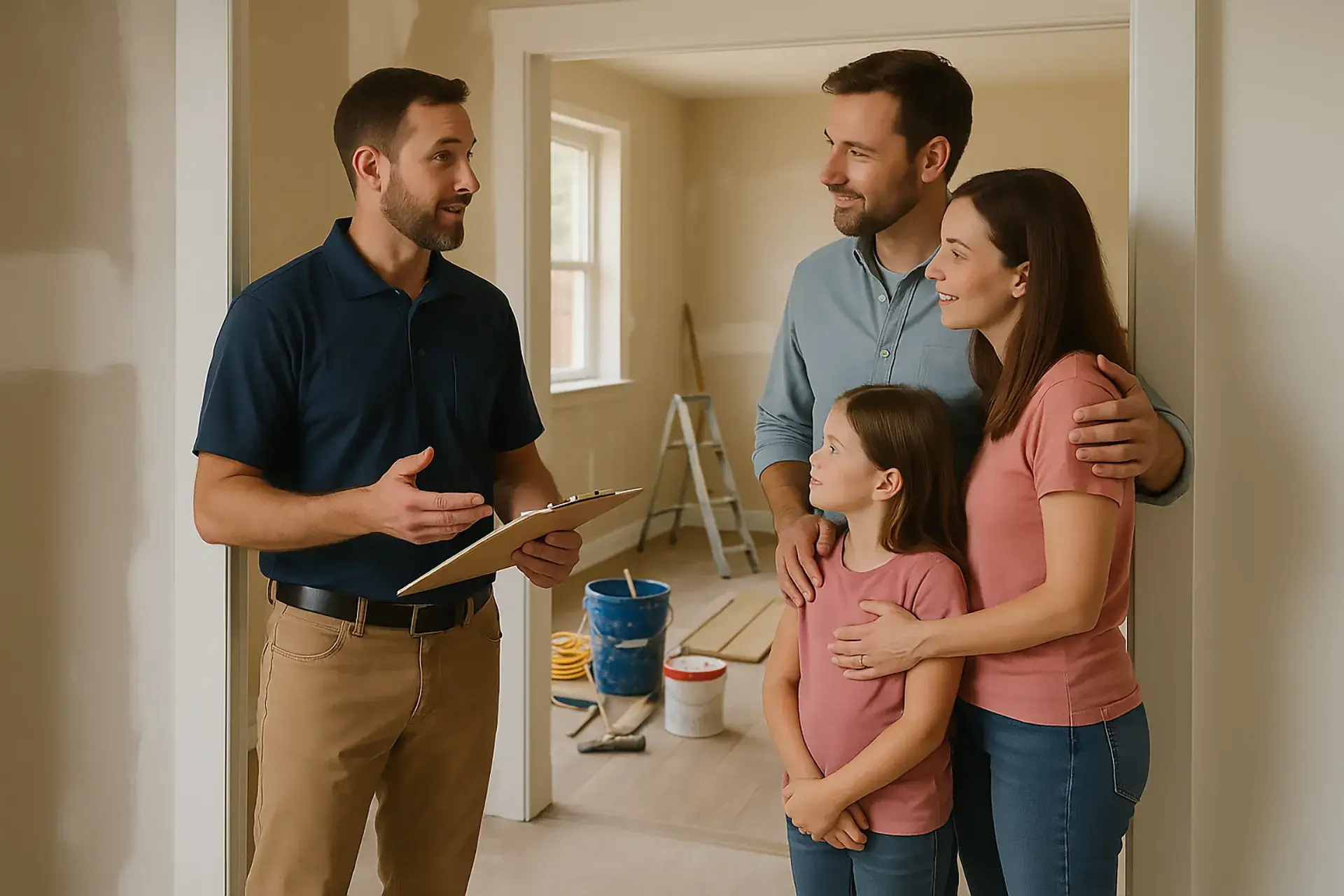
Understanding the Emotional and Physical Impact of Residential Disasters
When a disaster strikes a home, the immediate sense of disruption can be overwhelming. Whether caused by fire, flood, storm, or structural failure, the destruction of a living space reaches far beyond the physical damage that can be seen. A home is a place of security, routine, and comfort, and when that environment is threatened or destroyed, the emotional toll is often just as severe as the material loss. Families may find themselves displaced, forced into temporary housing or staying with friends, while the thought of returning to their home feels uncertain or even impossible.
In these moments, the first stage of restoration involves acknowledging and addressing the psychological impact of the disaster. Children, in particular, can feel the absence of familiar surroundings acutely, and it is important to restore a sense of routine as quickly as possible. Adults may struggle with the practical demands of coordinating insurance claims, contacting contractors, and ensuring that their family has the essentials of daily life. The process of rebuilding is not just about bricks, wood, and drywall; it is also about mending the emotional stability of everyone affected.
Physically, residential disasters create unsafe environments. Water damage may introduce mold, fires can leave behind toxic residues, and structural weaknesses can make the property hazardous. Before any steps toward restoration can be taken, safety assessments must be performed. This stage ensures that homeowners and restoration crews are not putting themselves at further risk. The chaos of a disaster often leaves behind more than obvious damage, and hidden dangers can lurk in electrical wiring, gas lines, or weakened foundations. It is this combination of emotional disruption and physical hazard that makes the journey back to comfort such a delicate and necessary process.
The Process of Making a Home Safe Again
Safety is the foundation of any restoration effort. Once the immediate threat has passed and emergency services have left, professional assessments become the next critical step. The initial evaluation determines whether the home can be salvaged or requires significant reconstruction. Specialists examine structural integrity, air quality, and environmental hazards, setting the stage for the physical restoration to come.
When water has infiltrated a home, drying and dehumidification must happen quickly. Prolonged exposure to moisture fosters mold growth, which not only damages materials but also threatens health. Restoration teams often employ industrial fans, pumps, and dehumidifiers to restore dry conditions and prevent further deterioration. In the case of fire, soot and smoke leave residues that can penetrate surfaces and linger in the air, requiring specialized cleaning techniques and equipment to remove harmful particles. Storms may rip apart roofs, shatter windows, and allow debris to scatter throughout living spaces, creating unsafe zones that demand careful debris removal and structural repair.
Restoring safety also means addressing utilities and systems that make a home functional. Electrical wiring damaged by water or fire must be inspected and replaced to avoid the risk of future shocks or fires. Gas lines, plumbing systems, and HVAC units require careful examination to ensure that they are not only operational but also safe. Neglecting these systems can lead to long-term hazards that jeopardize recovery efforts. Professionals trained in these disciplines become essential allies, ensuring that families can reoccupy their homes without fear of unseen dangers.
In addition, safety extends beyond the physical repair of structures and systems. Environmental testing for mold spores, chemical residues, or asbestos may be necessary before a home is deemed livable again. Air quality restoration is often overlooked but plays a vital role in ensuring that comfort can be truly restored. Without clean, safe air to breathe, even the most beautifully repaired house cannot offer real security. The meticulous process of testing, cleaning, and certifying a safe environment lays the foundation for the rebuilding of lives.
Rebuilding Comfort Through Design and Restoration
Once safety has been restored, the process shifts toward rebuilding comfort, a stage that transforms a damaged structure back into a true home. Comfort means more than simply replacing drywall or repairing a roof; it involves recreating an environment where families feel secure, relaxed, and able to move forward. This stage is deeply personal because every homeowner has unique needs and preferences, and restoration efforts must reflect those individual qualities.
Rebuilding comfort often begins with aesthetics. Smoke-stained walls are repainted, waterlogged flooring is replaced, and broken fixtures are restored. Yet the choices made during this process can also provide opportunities for improvement. Some homeowners choose to upgrade materials to more durable or disaster-resistant options, such as moisture-resistant flooring, impact-resistant windows, or fire-resistant siding. These decisions not only restore comfort but also provide peace of mind that the home will be better prepared for future challenges.
Furniture, personal belongings, and sentimental items carry emotional weight, and their restoration or replacement is a key element of recovering comfort. Many specialized restoration services exist to clean, repair, or even reconstruct items that appear lost. Photographs, heirlooms, and cherished possessions often carry memories that are irreplaceable, and their recovery can provide a powerful sense of continuity for families. Even when physical objects cannot be salvaged, creating new spaces that honor old traditions can help rebuild the emotional connection between family and home.
The process of reestablishing comfort also extends into functionality. Kitchens must once again be spaces where meals are prepared with ease, bedrooms must return to being restful sanctuaries, and living rooms should again be areas for connection and gathering. Restoration professionals often collaborate with homeowners to ensure that the design of repaired spaces aligns with both practical needs and emotional desires. A once-damaged home, when carefully restored, can even become an improved version of itself, designed to support the rhythms and routines that families value most.
Comfort is also tied to a sense of control. After experiencing the chaos of a disaster, homeowners often find solace in making intentional choices about colors, layouts, and finishes. These decisions reestablish a sense of agency, allowing families to reclaim ownership over their living environment. The act of choosing how a restored space looks and feels transforms the narrative from one of loss to one of renewal. Through thoughtful design and careful attention to detail, a house once damaged can become a sanctuary once more.
Long-Term Recovery and Building Resilience
The journey to restore comfort and safety does not end when the final coat of paint dries or the last piece of furniture is placed. Long-term recovery involves establishing resilience, ensuring that families not only return to normalcy but also gain confidence in their ability to withstand future challenges. Disasters, though devastating, often expose vulnerabilities in homes and lifestyles, offering valuable lessons for prevention and preparedness.
One element of resilience lies in the materials and construction methods chosen during restoration. Upgrading to stronger roofing materials, reinforcing foundations, and improving drainage systems can significantly reduce the risk of future damage. Homeowners may also consider integrating smart technology for early detection of hazards, such as water sensors that alert to leaks, smoke detectors that communicate with smartphones, or backup power systems that provide security during outages. These investments enhance safety and provide reassurance that the home is better equipped for what lies ahead.
Resilience also means fostering a sense of readiness within the household. Developing emergency plans, practicing evacuation procedures, and maintaining emergency supplies can ease the fear of the unknown. The experience of one disaster often motivates families to prepare more diligently, turning a painful event into a catalyst for greater security. When everyone in the household understands what to do in the face of potential danger, the ability to recover emotionally and physically becomes stronger.
On a broader scale, resilience includes community connections. Neighbors who share resources, support, and information play a crucial role in recovery and preparedness. A resilient community creates a safety net that individuals alone cannot provide. Participating in local recovery initiatives or neighborhood preparedness programs can give families a sense of belonging and shared strength, reminding them that they are not facing these challenges in isolation.
The long-term recovery process also involves addressing lingering emotional scars. Counseling, support groups, and open conversations about the impact of the disaster help families integrate the experience into their lives without allowing it to define them. Mental and emotional resilience grows when families are able to process their experiences and emerge with a sense of hope and possibility. In this way, comfort extends far beyond the physical walls of a house and becomes embedded in the outlook and spirit of those who live within it.
Ultimately, the restoration of comfort and safety after a residential disaster is a layered journey. It begins with ensuring physical safety, moves through rebuilding spaces that nurture comfort, and continues with fostering resilience that carries families forward. Each stage intertwines the practical with the emotional, recognizing that a home is never just a building but a living reflection of those who inhabit it. Through careful restoration and thoughtful resilience planning, families can find not only their way back to safety and comfort but also a renewed strength to face the future.
Rebuilding More Than Homes
Disasters may damage walls and roofs, but what they truly disrupt is peace of mind. At Generation Contracting, we understand that restoration is about more than construction—it’s about helping families reclaim their sense of safety and comfort.
From emergency response to full restoration, our certified team works with care, transparency, and respect for what your home represents. When the unthinkable happens, contact Generation Contracting to restore your home—and your hope.