
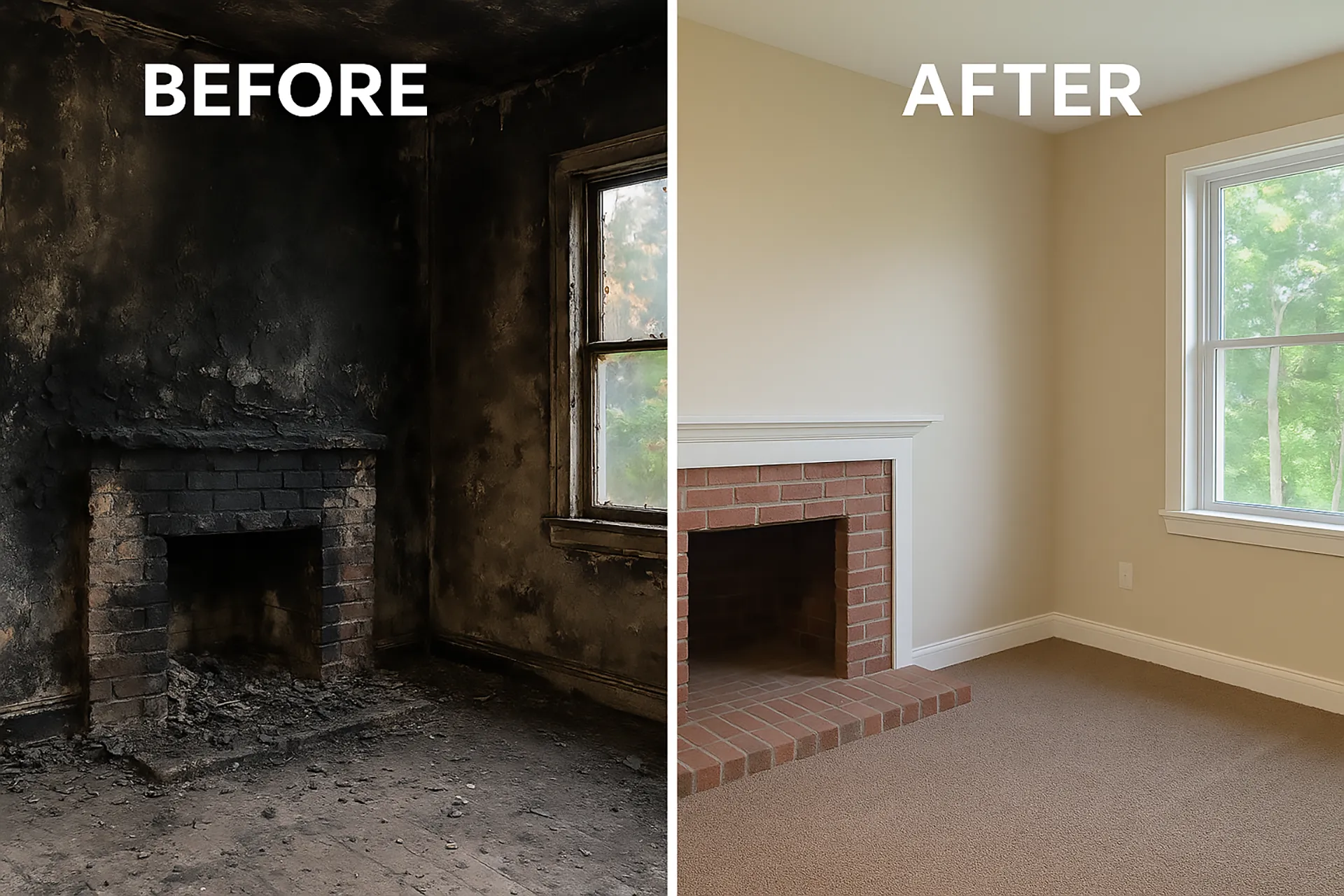
When a fire breaks out in a residential or commercial property, the immediate destruction caused by flames often overshadows the lingering effects that follow. Yet for many property owners, it is not the fire itself but the smoke, soot, and water used to extinguish the blaze that leave the deepest and longest-lasting scars. Fire and smoke damage restoration is a complex undertaking, one that requires technical expertise, meticulous planning, and a holistic approach to recovery. Beyond structural repairs, the process addresses health risks, emotional trauma, and the often-hidden dangers that persist long after the flames are extinguished.
The impact of fire begins with structural compromise. Walls, floors, and ceilings may weaken due to exposure to heat, and even if they appear intact, the integrity of materials like wood, metal, or concrete can be reduced. Water from sprinklers or firefighting efforts seeps into building materials, causing swelling, warping, and mold growth if not properly managed. Smoke infiltrates every porous surface, leaving behind odors, stains, and corrosive residues that degrade metals, fabrics, and electronics over time. These layered damages make fire restoration a process that demands more than superficial cleaning or patchwork repairs.
There is also a psychological dimension to fire and smoke damage. For homeowners, a fire disrupts a sense of safety and security within their most personal space. For businesses, the disruption can halt operations, impact revenue, and erode trust with customers or tenants. The restoration process, therefore, must go beyond technical fixes to restore not only property but also peace of mind. It requires sensitivity, communication, and the assurance that every hazard has been addressed before the property is reoccupied.
Understanding the extent of damage is the foundation of restoration. What appears on the surface often masks deeper, hidden issues. Smoke travels along ventilation systems, spreading soot into areas untouched by flames. Water damage from suppression efforts can compromise insulation, wiring, and foundations. Toxic residues, including chemicals released when plastics or synthetic materials burn, pose long-term health hazards if not properly cleaned. A comprehensive restoration project recognizes that every element of a property has potentially been affected, and each must be carefully inspected and treated to ensure complete recovery.
The Initial Response and Assessment Phase
The restoration process begins the moment the fire is extinguished. Time is critical, as delays allow damage to worsen. Within hours, soot can discolor walls and ceilings, metals can begin to corrode, and lingering moisture can initiate mold growth. The initial response phase is therefore focused on stabilization, safety, and thorough assessment.
The first priority is securing the property. Fire often leaves structures vulnerable to collapse, intrusion, or exposure to the elements. Professionals may board up windows, tarp roofs, or erect temporary barriers to protect the site from further damage. Safety assessments are performed to identify hazards such as weakened load-bearing structures, exposed electrical systems, or residual hot spots. Without this stabilization, both occupants and restoration teams are at risk.
Following stabilization, a detailed inspection and assessment is conducted. Restoration specialists document the extent of fire, smoke, and water damage across all areas of the property. They evaluate not only visible destruction but also hidden risks, such as smoke infiltration into ducts, compromised wiring behind walls, or moisture trapped beneath flooring. Photographs, measurements, and reports are compiled to guide the restoration plan and to support insurance claims. Accurate documentation is critical, as it provides the foundation for both recovery efforts and financial compensation.
This phase also involves creating a customized restoration strategy. Every fire is unique, and so is every restoration project. A tailored plan outlines which areas require demolition, which materials can be salvaged, and which specialized treatments will be applied. Prioritization is key, with efforts first directed at preventing further deterioration before moving into full-scale restoration. Communication with property owners is essential at this stage, ensuring they understand the scope of the work, the timeline, and the expectations for recovery.
Insurance coordination is another vital element of the initial phase. Fires often result in complex claims involving structural repair, contents replacement, and business interruption coverage. Restoration professionals work closely with insurers to provide accurate estimates, itemized losses, and evidence of damage. This collaboration helps streamline the claims process and ensures that property owners receive the support necessary to move forward. The assessment phase, therefore, bridges the gap between disaster and recovery, laying the groundwork for the comprehensive process that follows.
Cleaning, Mitigation, and Structural Restoration
Once the property has been stabilized and assessed, the next phase of restoration focuses on cleaning, mitigation, and structural repairs. This is the most labor-intensive stage, requiring specialized equipment, techniques, and coordination among teams of professionals. The goal is to not only remove visible damage but also to eliminate hidden contaminants and restore the structural and aesthetic integrity of the property.
Smoke and soot removal is one of the most challenging aspects of this phase. Soot particles are microscopic and acidic, capable of embedding deeply into porous materials like drywall, upholstery, and wood. Left untreated, soot can permanently discolor surfaces, corrode metals, and emit harmful toxins. Restoration specialists employ advanced cleaning methods such as thermal fogging, ozone treatment, and HEPA vacuuming to neutralize odors and remove residues. Every affected surface, from ceilings to HVAC ducts, must be treated to ensure a safe and odor-free environment.
Water and moisture mitigation are equally important. Fire suppression efforts often leave behind large volumes of water that can saturate flooring, insulation, and foundations. If not quickly removed, moisture creates the perfect conditions for mold growth, further complicating restoration efforts. Industrial-grade dehumidifiers, air movers, and extraction equipment are deployed to dry out the property. Moisture meters and thermal imaging tools help identify hidden pockets of water that could cause damage later. Proper drying ensures the property’s structural stability and prevents secondary hazards.
Structural restoration encompasses repairs ranging from minor fixes to full-scale reconstruction. Damaged drywall, flooring, roofing, and framing may need to be replaced entirely, while salvageable areas are cleaned, treated, and reinforced. Electrical and plumbing systems are inspected for damage, and compromised wiring or pipes are replaced. In some cases, entire sections of the property may need to be demolished and rebuilt to restore integrity. Throughout this process, compliance with building codes and safety regulations is paramount to ensure the property is both functional and secure.
Content restoration also plays a central role during this stage. Personal belongings, furniture, electronics, and documents affected by fire and smoke can often be salvaged through specialized cleaning techniques. Items may be removed from the property and restored in off-site facilities, where controlled environments allow for drying, deodorization, and repair. For property owners, the recovery of cherished possessions or critical business assets can provide a sense of normalcy and emotional relief in the aftermath of a devastating event.
This phase concludes with sanitization and odor removal. Smoke odors can linger for months if not properly addressed, and they often penetrate deeply into fabrics, carpets, and building materials. Advanced deodorization treatments ensure that occupants return to a property that feels fresh and safe. Sanitization also eliminates harmful residues and pathogens, creating a healthy environment for reoccupation. Together, these efforts move the property from a damaged state toward full recovery.
Final Restoration and Return to Normalcy
The final phase of fire and smoke damage restoration is focused on bringing the property back to its pre-loss condition and ensuring that it is safe, functional, and comfortable for reoccupation. This stage is as much about aesthetics and livability as it is about safety and structure. It involves meticulous finishing work, quality assurance, and emotional closure for those who have endured the disruption of fire.
Reconstruction projects reach completion during this phase, with repaired areas blending seamlessly into the rest of the property. New drywall is painted, flooring is installed, and fixtures are replaced. Attention to detail is critical, as the goal is to eliminate all signs of fire damage and restore the property to a condition indistinguishable from before the incident. In commercial properties, this may also involve restoring branding, signage, and customer-facing spaces to ensure business continuity and customer confidence.
Final inspections are conducted to verify that all safety and building code requirements have been met. Electrical systems are tested, HVAC systems are checked for air quality, and structural reinforcements are examined for stability. These inspections provide assurance to property owners and occupants that the property is fully secure and ready for use. In some cases, collaboration with local authorities ensures that occupancy permits are reinstated, allowing residents or businesses to return without concern.
Emotional recovery is a significant part of this final stage. For homeowners, walking into a restored property often marks the end of a traumatic chapter and the beginning of healing. For businesses, reopening doors to customers signals resilience and continuity. Restoration professionals play a vital role in this process, not only through technical expertise but also through empathy, communication, and reassurance. They provide updates throughout the journey, answer questions, and ensure that property owners feel supported at every step.
Preventative measures are often introduced during final restoration to reduce the risk of future incidents. This can include installing updated fire detection and suppression systems, upgrading electrical infrastructure, or reinforcing fire-resistant materials in key areas. Educating property owners about fire safety practices, maintenance routines, and emergency planning further strengthens resilience. In this way, the restoration process does more than repair—it prepares.
Restoration That Goes Beyond Repair
After a fire, recovery is about more than rebuilding walls—it’s about restoring peace of mind. At Generation Contracting, we understand that every property and every family’s story is unique. That’s why our team combines technical expertise, transparency, and empathy to guide you from devastation to renewal.
From emergency stabilization to final restoration, we’re here every step of the way to ensure safety, quality, and comfort. Contact Generation Contracting today to begin your restoration journey—with care you can trust and results that last.