
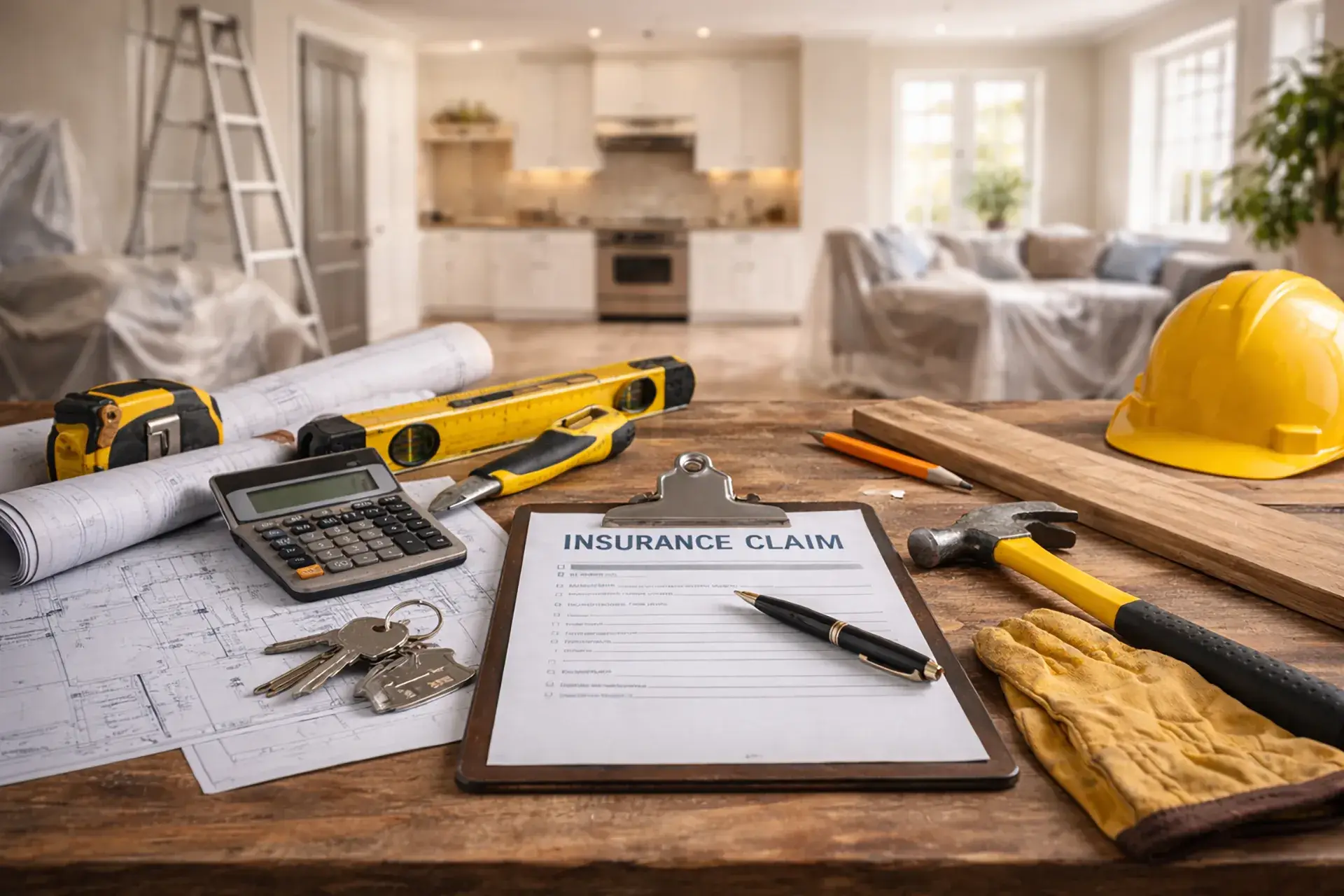
Owning a home comes with the responsibility of protecting your investment, yet even the most well-maintained properties are vulnerable to unexpected damage. Fires, flooding, storms, mold infestations, and other disasters can disrupt daily life and cause significant structural issues. When such events occur, understanding insurance claims for restoration and remodeling becomes essential for homeowners seeking to recover efficiently while improving the long-term value and functionality of their homes. Insurance claims provide the necessary funding to repair damages, but they also offer an opportunity to incorporate upgrades and enhancements, turning a challenging situation into a chance for home improvement.
Insurance claim restoration focuses on returning the property to its original condition before the damage occurred. The scope of restoration can vary widely, from minor repairs like replacing drywall after a leak to complete reconstruction following fire or flood damage. Many homeowners also choose to remodel during the restoration process. Remodeling can include upgrading materials, improving layouts, modernizing fixtures, or enhancing energy efficiency. Combining restoration with remodeling is often more cost-effective, as it takes advantage of the ongoing construction work and ensures that the repaired home is both functional and aesthetically appealing.
Professional contractors play a crucial role in the success of insurance claim restoration and remodeling projects. Experienced contractors understand how to document damage thoroughly, communicate with insurance adjusters, and ensure that repairs comply with local building codes. They also help homeowners navigate the insurance process, from filing a claim to understanding coverage limits, exclusions, and deductibles. With proper guidance, homeowners can recover quickly from property damage, make informed decisions about upgrades, and achieve a home that is safer, more functional, and more attractive than before.
Understanding the details of an insurance policy is critical for effective restoration and remodeling. Homeowners must know which damages are covered, what documentation is required, and which expenses may fall outside the scope of the claim. Restoration and remodeling specialists assist by evaluating the property, providing accurate estimates, and ensuring that insurance payouts are maximized. This partnership allows homeowners to focus on selecting design improvements while leaving the technical and administrative work to professionals.
The Insurance Claim Process
The process of filing an insurance claim begins with notifying the insurer after damage occurs. Once a claim is filed, an insurance adjuster evaluates the property to determine the extent of damage and what repairs are covered under the policy. This assessment includes a detailed inspection of affected areas, documentation through photographs and written reports, and an estimation of repair costs. Homeowners often work with restoration contractors at this stage to ensure that all damage is fully documented and that no issues are overlooked, which helps prevent claim disputes and ensures that adequate funds are allocated for repairs.
After the claim is approved, mitigation efforts begin immediately. Prompt action is critical to prevent further damage and secondary issues such as mold growth or structural weakening. In cases of water damage, restoration specialists use extraction equipment and dehumidifiers to dry affected areas and prevent mold. Fire-damaged properties often require removal of debris, soot cleaning, odor neutralization, and structural inspections before reconstruction begins. Effective mitigation preserves the property’s integrity and ensures that restoration work can proceed without complications.
The reconstruction phase follows mitigation and involves repairing or rebuilding damaged areas to meet building codes and insurance requirements. Skilled contractors handle everything from structural repairs and electrical work to flooring, painting, and finishing. During this phase, many homeowners choose to incorporate remodeling upgrades. For example, a damaged kitchen can be rebuilt with updated cabinets, countertops, and flooring, while a fire-damaged living room might receive a modern layout, improved lighting, and energy-efficient materials. Incorporating remodeling into the restoration process reduces additional labor and material costs while creating a home that is both functional and visually appealing.
Clear communication is critical throughout the insurance claim and restoration process. Homeowners should be informed about the timeline, coverage limits, and any additional costs associated with upgrades or remodels. Experienced restoration contractors manage interactions with insurance providers, handle project documentation, and guide homeowners through decisions about materials, finishes, and design choices. This coordination ensures a smooth restoration process and allows homeowners to take advantage of the opportunity to improve their home while repairing damage.
Remodeling Opportunities During Restoration
Insurance claim restoration often provides a unique opportunity for remodeling. While insurance covers returning a home to its pre-damage condition, homeowners can choose to invest in upgrades to improve aesthetics, functionality, and energy efficiency. Remodeling during restoration is more efficient than undertaking a separate renovation, as construction crews are already on site, and damaged areas are accessible. This approach allows for seamless integration of repairs and enhancements, reducing time and costs while creating a more appealing living space.
For instance, a bathroom affected by water damage can be rebuilt with modern fixtures, moisture-resistant flooring, updated lighting, and improved ventilation. A kitchen impacted by a fire can be redesigned with open-concept layouts, high-quality cabinetry, energy-efficient appliances, and durable countertops. Mold remediation offers an opportunity to upgrade insulation, ventilation, and moisture barriers, protecting the home against future damage while improving comfort. By combining restoration and remodeling, homeowners maximize both insurance coverage and home value.
Material selection is a crucial aspect of remodeling during restoration. Choosing high-quality, durable, and code-compliant materials ensures the longevity of repairs and reduces future maintenance costs. Homeowners can also incorporate sustainable and energy-efficient products, such as LED lighting, low-flow fixtures, and improved insulation. These upgrades contribute to long-term savings while enhancing the comfort and functionality of the home.
Integrating remodeling during the restoration process also allows homeowners to modernize their space according to personal style preferences. Homeowners can reconfigure layouts, select finishes that complement existing design elements, and implement features that increase usability, such as storage solutions or smart home technology. By carefully planning remodeling alongside restoration, a damaged home can emerge as a fully upgraded, more valuable property.
Working with the Right Professionals
Selecting the right professionals is critical for a successful insurance claim restoration and remodeling project. Homeowners should seek contractors with expertise in both insurance claims and remodeling. Experienced contractors understand how to document damage for insurance purposes, communicate effectively with adjusters, and manage complex construction projects while incorporating design upgrades. Their guidance helps homeowners navigate the process efficiently and ensures that the final result meets safety, code, and quality standards.
Transparency and communication are key qualities to look for in a contractor. Professionals should clearly explain which repairs are covered by insurance, outline optional remodeling upgrades, provide detailed estimates, and maintain open communication throughout the project. Regular updates, realistic timelines, and clear documentation help homeowners remain informed and reduce stress during a potentially disruptive process.
Local expertise is also important, particularly for understanding regional building codes, climate considerations, and common property issues. Experienced contractors can anticipate potential challenges, secure necessary permits, and ensure compliance with all regulations. Managing both restoration and remodeling under one contractor ensures continuity, efficiency, and quality control, allowing homeowners to achieve a cohesive, functional, and aesthetically pleasing result.
Working with skilled professionals transforms the restoration and remodeling process from a stressful experience into an opportunity for improvement. Homeowners gain confidence knowing that repairs are handled efficiently, insurance claims are managed properly, and remodeling upgrades are implemented thoughtfully. By combining restoration and remodeling expertise, homeowners can restore their homes, protect their investments, and create living spaces that are safer, more functional, and more attractive than before.