
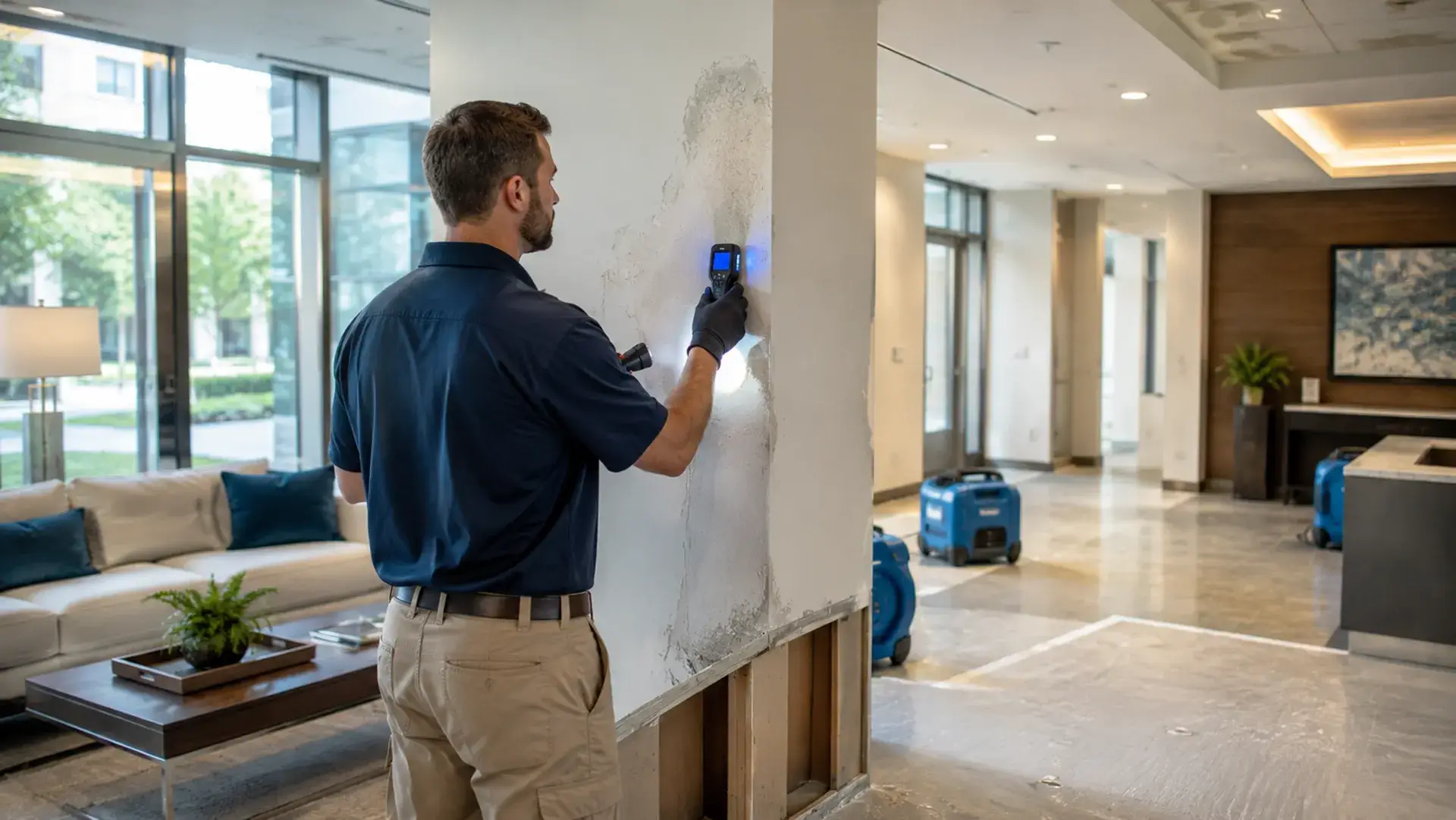
Property damage rarely arrives with warning. One moment a home or building feels stable and predictable, and the next it is altered by forces outside anyone’s control. Whether caused by natural events, mechanical failures, or human activity, damage to property can disrupt daily life, threaten safety, and create lasting financial and emotional strain. Understanding the different types of property damage helps owners respond with clarity rather than panic, making informed decisions during moments when time and judgment feel compressed.
Each type of damage carries its own risks, timelines, and challenges. Some forms of damage are immediately obvious, while others unfold slowly and quietly, worsening if left unaddressed. The way a property owner responds in the early stages often shapes the scope of repairs and the speed of recovery. Awareness, preparation, and a calm, structured approach can make a critical difference when disaster strikes.
Water Damage and Moisture-Related Destruction
Water damage is one of the most common and deceptive forms of property damage. It can originate from many sources, including burst pipes, leaking appliances, roof failures, flooding, or sewage backups. What makes water damage particularly challenging is how quickly it spreads and how easily it hides. Moisture seeps into walls, flooring, and insulation, often reaching areas that are not immediately visible.
In the early stages, water damage may appear limited to surface-level staining or warped materials. Over time, however, trapped moisture can compromise structural components and create an environment where mold thrives. This progression can occur even after the visible water has been removed, giving property owners a false sense of resolution. The longer moisture remains, the greater the risk to both the building and the health of its occupants.
Responding effectively to water damage requires urgency and thoroughness. Stopping the source of the water is the first priority, followed by drying and dehumidifying affected areas as quickly as possible. It is equally important to assess how far the moisture has traveled, since untreated pockets of dampness can continue to cause deterioration long after the initial incident. Proper response helps prevent minor water events from becoming long-term structural or environmental problems.
Fire and Smoke Damage Beyond the Flames
Fire damage is often associated with dramatic images of charred structures and visible destruction, but its effects extend far beyond what flames touch directly. Even small fires can produce intense heat, smoke, and soot that travel throughout a property. These byproducts infiltrate walls, ceilings, ventilation systems, and personal belongings, leaving behind corrosive residues and persistent odors.
Smoke damage can be particularly insidious. Tiny particles settle into porous materials, discoloring surfaces and degrading air quality. Over time, these residues can cause metals to corrode and finishes to break down. The emotional impact of fire damage is also profound, as it is often sudden and traumatic, leaving occupants feeling vulnerable in a space that once felt safe.
Responding to fire damage involves more than removing burned materials. Structural integrity must be evaluated, as heat can weaken framing and support systems even when they appear intact. Cleaning smoke and soot requires specialized techniques to avoid spreading contamination further. Ventilation systems may need to be cleaned or replaced to ensure that lingering particles do not continue circulating through the property. Addressing both visible and hidden effects is essential to restoring safety and livability.
Storm and Wind Damage from Extreme Weather
Storm-related damage can take many forms, depending on the severity and type of weather involved. High winds can tear off roofing materials, shatter windows, and send debris crashing into structures. Heavy rain and hail can penetrate building envelopes, while lightning strikes may damage electrical systems or ignite fires. In some cases, the full extent of storm damage is not immediately apparent, especially when issues are concealed within walls or roofing layers.
One of the challenges with storm damage is its unpredictability. A property may appear largely unharmed after a storm, only to develop leaks or structural issues days or weeks later. Small openings created by wind or flying debris can allow water intrusion that worsens over time. Because storms often affect large areas, delays in assessment and repair can increase vulnerability to secondary damage.
An effective response begins with a careful inspection once conditions are safe. Securing exposed areas helps prevent further harm, while documenting damage supports repair planning. Even seemingly minor issues deserve attention, as they may indicate deeper problems. Addressing storm damage promptly helps stabilize the property and reduces the likelihood of cascading repairs in the future.
Mold, Structural, and Secondary Damage Over Time
Not all property damage occurs in a single dramatic event. Some of the most serious threats develop gradually as secondary effects of earlier incidents or ongoing conditions. Mold growth, structural weakening, and material decay often stem from unresolved moisture, poor ventilation, or aging building components. These issues may go unnoticed until they reach a point where repairs become extensive and costly.
Mold damage is closely tied to moisture and can spread silently behind walls, under floors, or in attics. While it may begin as a small patch, it can expand rapidly under the right conditions, affecting indoor air quality and posing health concerns. Structural damage can also evolve slowly, as wood rot, corrosion, or foundation shifts undermine the stability of a building over time.
Responding to these forms of damage requires vigilance and proactive maintenance. Early signs such as musty odors, cracks, or unexplained stains should not be ignored. Addressing root causes rather than surface symptoms is key to preventing recurrence. When secondary damage is identified, a comprehensive approach that includes assessment, remediation, and long-term prevention helps restore not only the property’s condition but also confidence in its safety.
Tips for Protecting Your Home & Property
Making your home more resilient to disasters means strengthening it not just to withstand damage, but to recover more quickly when unexpected events occur. This involves understanding your home’s vulnerabilities and addressing them before problems arise, such as improving drainage to reduce water intrusion, reinforcing roofing and windows against high winds, and maintaining electrical and plumbing systems to prevent failures. Resilience also comes from thoughtful upgrades that enhance safety and durability over time, helping your home absorb stress without cascading damage. By investing in preparedness and smart improvements, homeowners can reduce the impact of disasters, protect their living space, and preserve a sense of security even in uncertain conditions.