
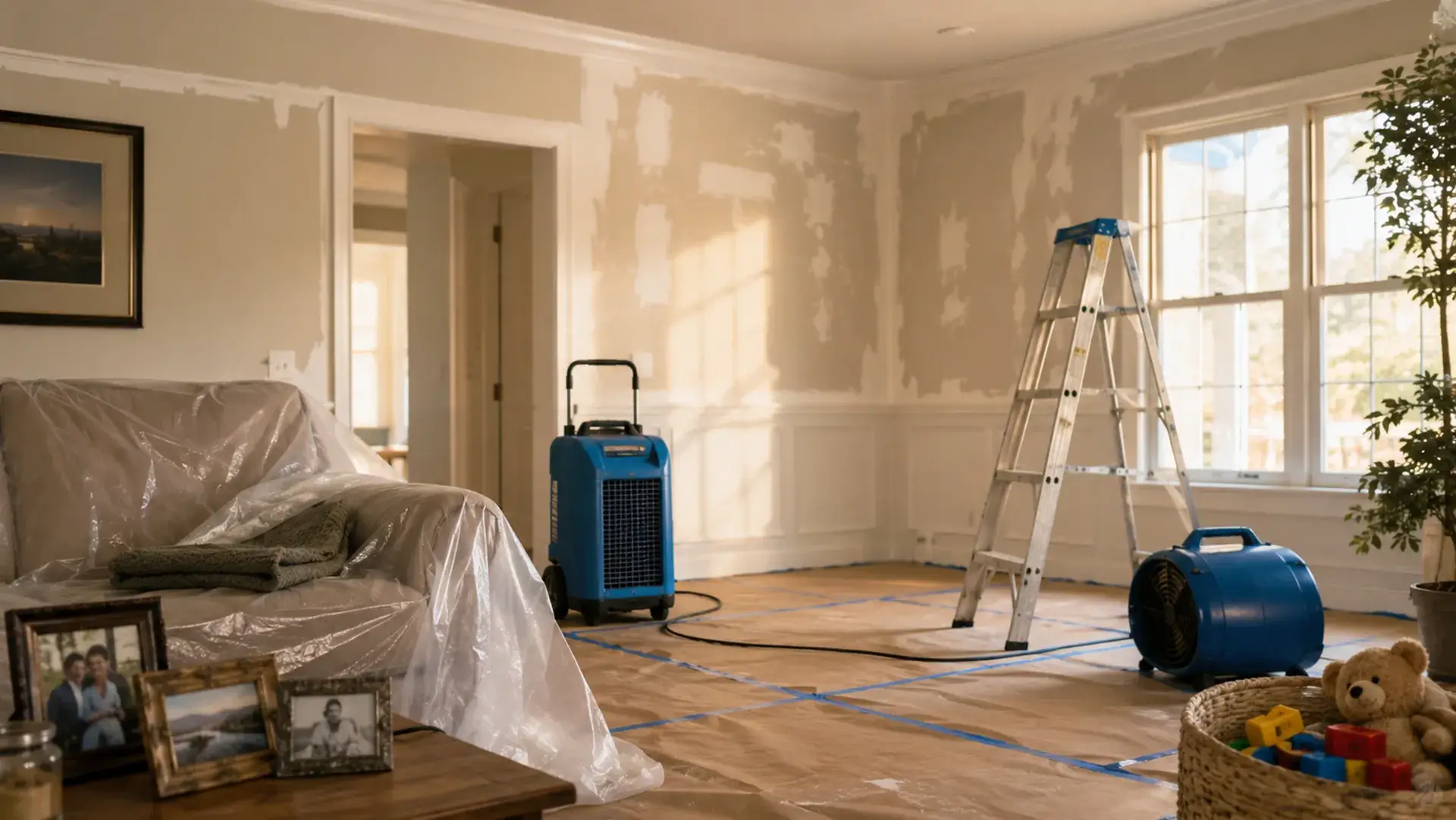
A home is more than a physical structure. It is a place of routines, memories, and emotional grounding. When a residential disaster strikes, whether from fire, water, storms, or other unexpected events, the loss goes far beyond damaged walls or ruined flooring. It disrupts daily life, challenges a sense of security, and forces homeowners into unfamiliar decisions under stressful conditions. Restoring a home after a disaster is therefore not only about reconstruction, but about reclaiming comfort, safety, and normalcy in a space that once felt effortless.
The process of recovery often unfolds in stages that overlap and influence one another. Emotional reactions shape practical decisions, while technical restoration work affects how quickly a household can feel settled again. Understanding this interplay helps homeowners approach recovery with greater clarity and confidence, even when circumstances feel overwhelming.
The Emotional Impact of Residential Disasters
The first moments after a disaster are often marked by shock and disbelief. Homeowners may walk through rooms that no longer look or feel familiar, trying to process the sudden change. Even minor damage can feel deeply unsettling, while major losses may trigger grief similar to losing a loved one. These emotional responses are normal and deserve recognition, yet they are often overshadowed by the urgency to act quickly.
Stress intensifies as practical concerns pile up. Questions about temporary housing, and repair timelines compete for attention. Sleep may be disrupted, and decision fatigue can set in as homeowners are asked to make choices about materials, contractors, and priorities before they feel emotionally ready. Children and pets may also react to the disruption, adding another layer of concern for families already stretched thin.
Restoring comfort begins, in part, with acknowledging that emotional recovery runs parallel to physical restoration. Feeling safe again does not automatically happen once repairs are complete. It develops gradually as familiar sights, sounds, and routines return. Clear communication, realistic expectations, and patience with the process can help reduce anxiety and foster a sense of control during an otherwise uncertain time.
Immediate Steps Toward Safety and Stability
In the aftermath of a residential disaster, safety becomes the primary focus. Before thinking about repairs or aesthetics, it is essential to ensure that the home is structurally sound and free from hazards. Damaged electrical systems, compromised foundations, lingering moisture, or contaminated air can pose serious risks if not addressed promptly and professionally.
Stability also involves regaining a sense of order. Securing the property, protecting it from further damage, and documenting losses help create a foundation for recovery. These actions may feel procedural, but they play a crucial role in restoring peace of mind. Knowing that the home is protected and that a plan is forming can ease the feeling of helplessness that often follows a disaster.
Temporary living arrangements, while disruptive, can offer breathing room. Stepping away from the damaged environment allows homeowners to make clearer decisions and reduces exposure to ongoing hazards. Although it may be difficult to leave, even briefly, this separation can be an important step toward long-term safety and well-being.
Throughout this phase, trust becomes essential. Homeowners rely on inspectors, restoration professionals, and insurers to provide accurate information and guidance. Clear explanations and transparent processes help rebuild confidence at a time when trust may feel fragile. Each small step toward safety reinforces the idea that recovery is possible and already underway.
The Restoration Process and Rebuilding Comfort
Once safety concerns are addressed, attention shifts to restoration and rebuilding. This stage is often the longest and most complex, involving coordination between multiple professionals and decisions that shape how the home will function and feel in the future. While the goal is to return the home to its pre-disaster state, many homeowners find themselves reconsidering layouts, materials, or systems in light of what they have experienced.
Comfort is restored through both visible and invisible improvements. Structural repairs, insulation, and moisture control create a stable environment that supports long-term health. At the same time, the return of familiar elements such as flooring, paint colors, and natural light helps reestablish emotional connection to the space. These details matter because they signal a return to normal life.
The pace of restoration can test patience. Delays due to supply chains, permitting, or unexpected discoveries behind walls are common. Maintaining realistic expectations and focusing on progress rather than setbacks can make the process feel more manageable. Each completed phase represents a step closer to reclaiming the home as a place of comfort rather than disruption.
During rebuilding, homeowners often gain a deeper understanding of their living space. Seeing the inner workings of a home exposed can inspire a renewed appreciation for its design and systems. This awareness can influence future maintenance habits and encourage proactive care, contributing to a stronger sense of security once restoration is complete.
Long-Term Safety, Resilience, and Peace of Mind
Restoring a home after a disaster also presents an opportunity to think beyond immediate repairs and consider long-term resilience. Safety is not only about fixing what was damaged, but about reducing the likelihood and impact of future events. Upgraded materials, improved drainage, modern electrical systems, and enhanced ventilation can all contribute to a safer living environment.
Peace of mind grows from knowing that lessons have been learned and applied. Homeowners who take time to understand what caused the damage often feel more prepared moving forward. This preparedness does not eliminate risk, but it transforms fear into awareness. The home becomes not just restored, but strengthened. As time passes, the memory of the disaster gradually fades, replaced by new experiences and routines. The home begins to feel effortless again, a place where doors close smoothly, floors feel solid underfoot, and the air smells clean and familiar. Comfort returns quietly, often noticed only in retrospect.